
Selling your first offer online is one of the most exciting milestones in a creator’s journey. It is the point where passion begins to generate income. But for many, that first launch is not the celebration they imagined. Instead of sign ups, there is silence. Instead of momentum, there is hesitation. Confidence dips, and self doubt creeps in.
The truth is most creators do not fail because their ideas are weak. They fail because they fall into the same traps of overcomplication, vague messaging, and waiting too long to launch. They copy strategies from bigger businesses, forgetting those systems were built on years of resources and testing.
The good news is that you do not need a complex funnel or an elaborate website to make your first sale. You just need clarity, speed, and a simple way for people to pay you.
This guide will walk through the five biggest mistakes creators make, why they happen, and how to avoid them. By the end, you will know how to launch your first paid offer without wasting months in planning mode.
Table of contents
- Why your first sale feels so hard
- Mistake one: Selling vague value instead of a clear result
- Mistake two: Building something massive before validating demand
- Mistake three: Getting stuck in tech overwhelm
- Mistake four: Undervaluing yourself with shaky pricing
- Mistake five: Waiting for perfection instead of launching
- What to do instead: A roadmap to your first sale
Why your first sale feels so hard
Your first sale feels hard because it forces a shift. Until now, you have given value for free. Your audience sees you as a generous creator, not as someone who charges. That dynamic changes once money enters the picture.
For you, it is about stepping into confidence and saying, “This is worth paying for.” For your audience, it is about deciding whether to invest. That double hurdle makes the first sale feel bigger than it is.
The problem is amplified by advice that overcomplicates things. You are told you need funnels, sequences, polished websites, and automation. These are great for established businesses, but they are unnecessary for your first sale. What you actually need is proof of concept, one clear offer, one easy format, and one way to pay.

Mistake one: Selling vague value instead of a clear result
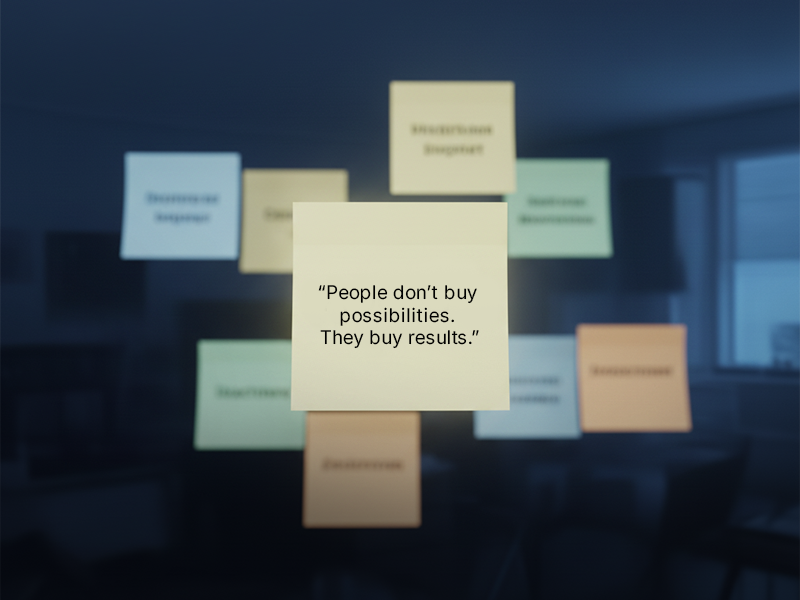
When creators describe what they offer in broad, safe terms, the result is usually no sales. Statements like “I help with productivity” or “I create fitness content” are too vague. People do not buy possibilities. They buy results.
This mistake happens because:
- Creators want to appeal to everyone
- They fear being specific will turn buyers away
- They do not realize that clarity builds trust
Why it matters: your audience is silently asking, “What will I walk away with if I purchase?” If the answer is fuzzy, hesitation wins.
How to fix it:
- Choose one specific outcome your audience already wants
- Phrase it in the same words they use in comments, DMs, or conversations
- Frame it as a before and after transformation
Example shift:
- Vague: “I will help you be healthier”
- Clear: “I will show you how to cook five high protein meals in under 20 minutes, even if you hate meal prep”
Pro tip: Test your clarity by asking a friend if they would know exactly what they get from your offer. If the answer is not a confident yes, refine it further.

Mistake two: Building something massive before validating demand
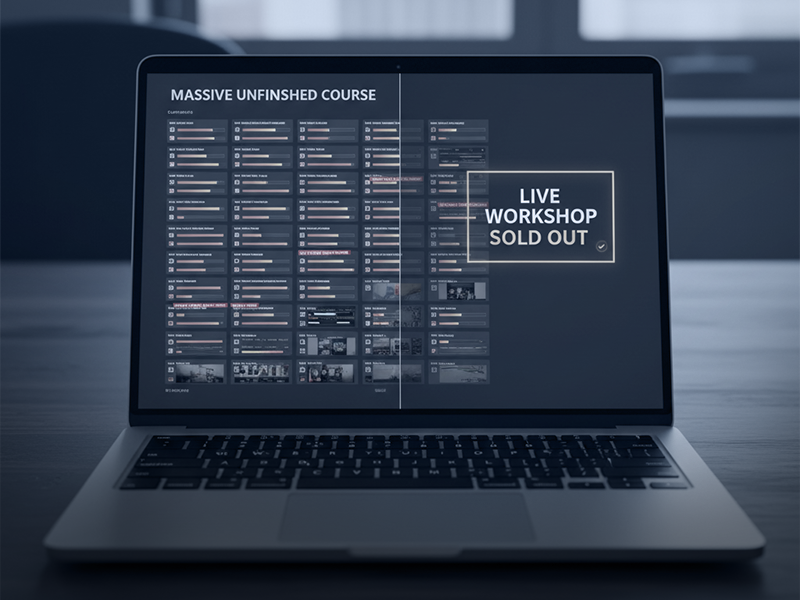
Many creators pour months into building big products like full courses, membership sites, or multi week programs before knowing if anyone will buy. It feels like progress, but it hides the fact that demand is unproven.
This mistake happens because:
- Building feels safe compared to selling
- Hard work feels like progress, even if it is not
- Creators copy established names who already validated their ideas
Why it matters: you risk spending months building the wrong thing, only to launch to crickets. That discouragement can kill momentum.
How to fix it:
- Start small with a minimum viable offer
- Examples: a one hour live workshop, a three part intensive, or a short digital guide
- Use the first buyers as testers to shape your next version
Example: Instead of a 500 dollar course, start with a 47 dollar live workshop. If ten people buy, you have validated demand and made 470 dollars. From there, you can expand confidently.
Quick takeaway: Think of your first offer as a pilot episode. You do not need the full season yet. You just need proof that people want to tune in.
Mistake three: Getting stuck in tech overwhelm
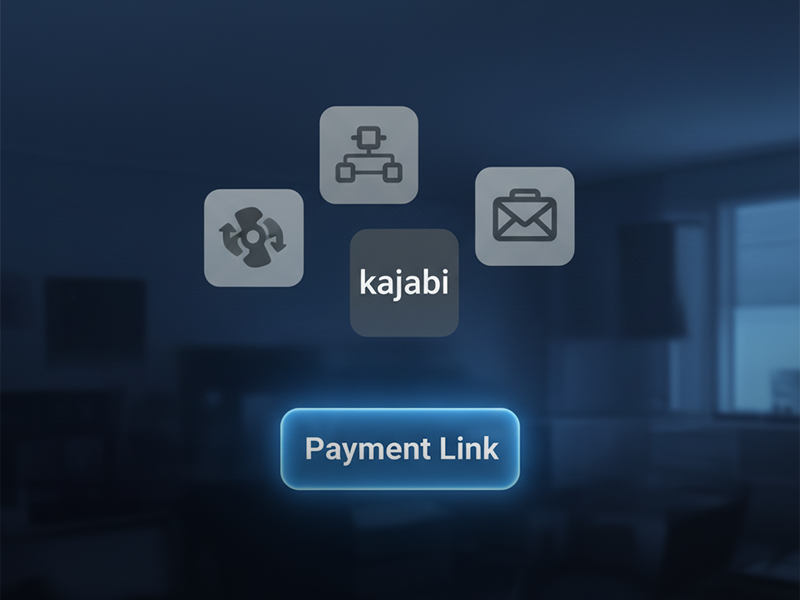
Tech overwhelm is one of the biggest blockers. Creators convince themselves they need a polished website, automations, and a full funnel before selling. Weeks get lost comparing tools and tweaking setups, and still, no one can buy.
This happens because:
- Complexity feels like professionalism
- Tinkering with tools feels like “working” without facing rejection
- Many believe they need a big system to be taken seriously
Why it matters: every day spent on tech is a day without revenue. Momentum dies before it even starts.
How to fix it:
- Focus on one question: Can someone pay you today?
- Create a single landing page that:
- Describes your offer in simple language
- Lists the price clearly
- Includes a way to pay or book
- Describes your offer in simple language
Pro tip: Professionalism does not come from complicated funnels. It comes from delivering results.
Mistake four: Undervaluing yourself with shaky pricing
Pricing is emotional, and new creators often undercharge. Some even give their first offers away to build trust. But low prices can backfire by signaling low value.
This happens because:
- Fear of rejection makes higher prices feel risky
- Creators compare themselves to established names with larger audiences
- They think buyers are paying for time, not results
Why it matters: underpricing cuts revenue, attracts less serious buyers, and makes it harder to raise prices later.
How to fix it:
- Anchor your price to the transformation you deliver
- Ask: What is this worth to the buyer if it works?
- Start fair, then increase gradually as demand grows
Example: If your 47 dollar workshop helps someone save five hours a week, that is worth far more than 47 dollars. Confidence in your pricing grows each time you sell and deliver results.
Quick takeaway: Underpricing does not make your offer more attractive. It often does the opposite.
Mistake five: Waiting for perfection instead of launching
Perfectionism delays more launches than failure ever does. Slides get polished again, copy rewritten, graphics redesigned. Launch dates get pushed back again and again.
This happens because:
- Fear of judgment is strong
- Creators believe successful peers always launched polished offers
- Quality gets mistaken for perfection
Why it matters: waiting for perfect kills momentum and prevents real feedback. You cannot improve what is not launched.
How to fix it:
- Launch a “good enough” version
- Gather feedback from real buyers
- Use that feedback to refine the next round
Pro tip: Every strong product you admire started imperfect. Progress comes from launches, not endless drafts.
What to do instead: A roadmap to your first sale
Avoiding these mistakes does not require complicated systems. It comes down to five simple steps:
- Define one clear outcome
Pick a result your audience actually wants, something they already ask you about. The clearer you are, the easier it is for people to decide yes. - Package it in the simplest format
Do not overthink the delivery. A live workshop, a short guide, or a one on one session is enough to start. You can always expand later. - Create one page where people can pay
Skip the website build. You only need a single landing page with a clear description, price, and a button to pay. Nothing more. - Set a price based on transformation
Do not charge for your time, charge for the outcome. If the result saves hours, builds confidence, or drives progress, price it accordingly. - Launch quickly and improve with feedback
Do not wait for perfect. Launch now, gather feedback from real customers, and let their questions guide the next version.
This roadmap works because it puts you in motion. Instead of waiting for the “right time,” you gain clarity from action and build momentum from real results.

Final thoughts: Why your first offer matters
Your first sale is more than just income. It is a shift in identity. Once someone pays you for your knowledge, you are no longer just a content creator. You are a business owner. That confidence changes the way you show up for your audience and sets the stage for everything that follows.
Do not wait for perfection. Do not drown in tech. And do not undervalue what you provide. Start small, sell something real, and build from there.
Your audience already trusts you. All they need is a simple way to say yes.
Ready to take the next step?
The fastest way to monetize is not through complex funnels or months of planning. It is through clarity, speed, and a simple way for people to pay you.
Tools like Briefee make this effortless by giving you one link to share your offer, handle bookings, and accept payments instantly.
2025 © Briefee. All Rights Reserved.